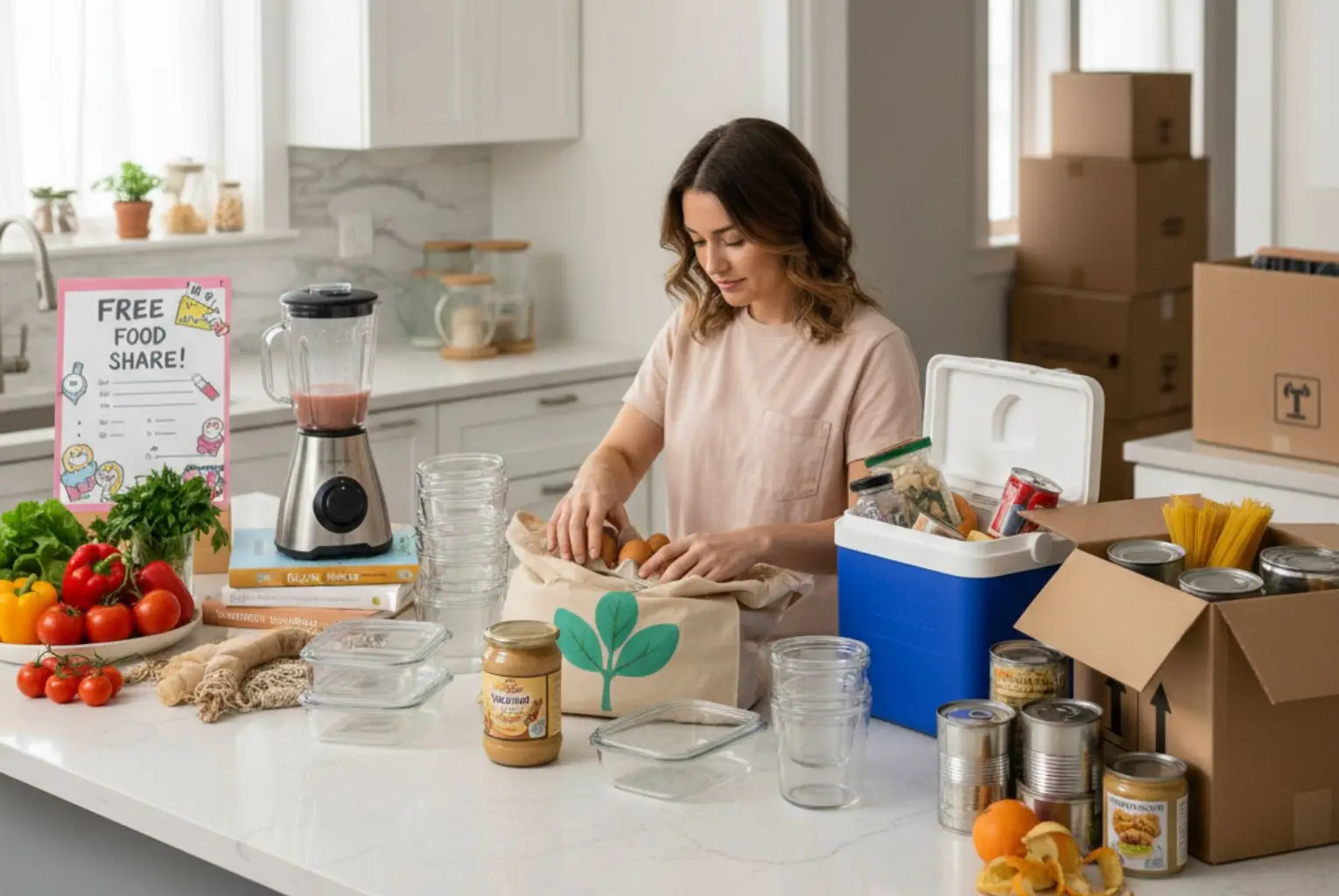
Moving to a new home involves countless decisions and preparations, but one aspect that often gets overlooked until the last minute is what to do with food before moving. Whether you’re relocating across town or across the country, managing your food inventory properly can save you money, reduce waste, and prevent complications during your Move. This comprehensive relocation food packing guide will help you navigate the challenges of dealing with food items during your transition.
Introduction
Why Food Management is Important Before Moving
Proper food management before a move is crucial for several reasons. First, many moving companies have restrictions on transporting certain food items, especially perishables that could spoil or create messes during transit. Second, moving food items tips can help you avoid unnecessary expenses by preventing food waste and reducing the weight of your shipment. Finally, having a clear plan for your food inventory ensures you won’t arrive at your new home with spoiled groceries or face the stress of dealing with food emergencies during an already chaotic time.
The key to successful food management during relocation lies in early planning and systematic organization. By starting this process weeks before your moving date, you’ll have time to consume existing inventory, donate excess items, and properly pack what you decide to transport. This proactive approach transforms what could be a stressful situation into a manageable aspect of your Move.
1. Sort and Categorize Your Food Items
The first step in managing your food inventory is creating a comprehensive assessment of what you currently have. This process requires systematic organization and honest evaluation of your food storage areas.
Separate Perishable vs. Non-Perishable Foods
Understanding the difference between perishable and non-perishable items is fundamental to effective moving tips for both categories. Perishable foods include fresh fruits, vegetables, dairy products, meat, seafood, and frozen items that require refrigeration to maintain quality and safety. These items typically have shorter shelf lives and are more challenging to transport during moves.
Non-perishable foods encompass canned goods, dry pasta, rice, cereal, spices, and other shelf-stable items that don’t require refrigeration. These items are generally easier to transport and have longer shelf lives, making them more suitable for moving. However, even non-perishable items require careful consideration regarding their weight, packaging integrity, and remaining shelf life.
Create separate areas in your kitchen for these two categories as you sort through your inventory. This visual separation will help you make informed decisions about what to consume, donate, or pack for your Move.
Check Expiration Dates and Discard Spoiled Items
Thoroughly examine expiration dates, best-by dates, and the overall condition of all food items. It is an excellent opportunity to reduce food waste before moving by identifying items that are approaching expiration or have already passed their prime. Discard any items that show signs of spoilage, damage, or contamination.
Pay special attention to items in the back of your pantry, refrigerator, and freezer that may have been forgotten. Often, these overlooked items are the ones most likely to be expired or of questionable quality. Be honest in your assessment – it’s better to discard questionable items now than to risk contamination or waste during the moving process.
2. Plan Meals to Use Up Food
Strategic meal planning is one of the most effective ways to reduce food waste before moving while ensuring you and your family continue to eat well during the transition period.
Create a Moving Week Meal Plan
Develop a meal plan that focuses on using existing inventory rather than purchasing new groceries. Start this process 2-3 weeks before your Move to allow sufficient time to consume perishable items. Plan meals around items that need to be used first, particularly fresh produce, dairy products, and frozen foods.
Consider the logistics of your moving timeline when creating your meal plan. If you’re packing your kitchen early, plan for simple meals that require minimal cooking equipment. Focus on one-pot meals, salads, and dishes that can be prepared with basic tools that you’ll pack last.
Smart Recipes to Empty Your Pantry
Embrace creativity in the kitchen by developing recipes that combine multiple pantry staples. Stir-fries, soups, casseroles, and pasta dishes are excellent options for using up various ingredients simultaneously. These versatile dishes allow you to combine vegetables, proteins, grains, and seasonings in countless combinations.
Consider hosting a “pantry challenge” dinner party where you invite friends over for a meal made entirely from ingredients you need to use up. This approach combines social interaction with practical food management, making the process more enjoyable while ensuring nothing goes to waste.
3. Donate or Share Excess Food
When you have more food than you can reasonably consume before your Move, donation becomes an excellent option for what food to keep or donate before moving.
Donating to Food Banks or Shelters
Many local food banks, homeless shelters, and community organizations accept donations of non-perishable food items. Contact these organizations in advance to understand their specific requirements and donation procedures. Most prefer unopened, non-expired items in original packaging.
Some organizations also accept perishable items if you coordinate the timing properly. Fresh produce, dairy products, and frozen foods can benefit many families in need, but these donations typically require advance scheduling and immediate delivery.
Sharing with Neighbors, Friends, and Family
Don’t overlook the opportunity to share excess food with people in your immediate social network. Neighbors, friends, family members, and coworkers may appreciate receiving quality food items that you won’t be able to use. This approach is particularly effective for specialty items, expensive ingredients, or bulk purchases that exceed your needs.
Consider organizing a “moving sale” that includes food items alongside household goods. Many people are interested in purchasing quality pantry staples at reduced prices, as well as costly items like specialty oils, spices, or gourmet products.
4. Packing Food Items Safely for the Move
When you’ve decided which food items to transport to your new home, proper packing becomes essential for preventing damage and contamination.
How to Pack Non-Perishable Food for Moving
Packing food for a move requires attention to detail and the right materials. When packing canned goods and other heavy food items, use sturdy boxes specifically designed for heavy items. Line boxes with packing paper or bubble wrap to prevent items from shifting during transport.
Group similar items together and pack heavier items in smaller boxes to prevent them from becoming too heavy to lift safely. Label all food boxes clearly, indicating both the contents and the destination room in your new home.
Guidelines for Packing Canned Goods and Dry Food
Canned goods require special consideration due to their weight and potential for damage. Inspect all cans for dents, rust, or damage before packing. Damaged cans should be used immediately or discarded rather than transported.
Pack canned goods in small, sturdy boxes with plenty of padding between items. Use towels, newspaper, or bubble wrap to prevent cans from banging together during transport. Seal boxes securely and mark them as “heavy” to alert movers and to avoid injury.
For dry goods like flour, sugar, rice, and pasta, ensure the original packaging is intact and secure. Consider transferring opened items to airtight containers to prevent spills and contamination. Double-bag items that could leak or create messes.
Tips for Transporting Perishable Food
Food storage tips for moving day for perishable items require careful timing and temperature control. Plan to transport perishable foods in your personal vehicle rather than the moving truck, where temperature control is impossible.
Use insulated coolers with plenty of ice or frozen gel packs to maintain proper temperatures during transport. Pack frozen items together in the center of the cooler, surrounded by refrigerated items. Monitor temperatures regularly and be prepared to consume or discard items if safe temperatures cannot be maintained.
5. Foods You Should Avoid Moving
Understanding which foods are problematic to transport can save you time, money, and frustration during your Move.
Items That May Spill or Get Damaged
Certain food items are particularly prone to damage during moving and should be avoided whenever possible. These include glass containers with liquids, opened bottles of oil or vinegar, honey, syrup, and other sticky substances that could create significant messes if containers break or leak.
Fresh eggs are notoriously difficult to transport without breakage, and the cleanup from broken eggs can be extensive and unpleasant. Similarly, soft fruits and vegetables often don’t survive the jostling and temperature changes of moving trucks.
Restricted Food Items in Long-Distance Moves
Long-distance moves present additional challenges and restrictions for food transport. Many moving companies have specific policies prohibiting certain food items, particularly those that could spoil, attract pests, or create health hazards during extended transport times.
Alcoholic beverages face various restrictions depending on state laws and moving company policies. Some states prohibit the transport of alcohol across state lines by moving companies, requiring you to transport these items personally or leave them behind.
6. Using Professional Packers and Movers for Food Items
Understanding how professional moving services handle food items can help you make informed decisions about your relocation food packing guide.
Do Movers Transport Food?
Most professional moving companies have policies regarding food transport that vary depending on the distance of the Move and the type of food items involved. Local moves allow more flexibility with food transport, while long-distance moves typically have stricter restrictions.
Many movers will transport non-perishable, sealed food items but exclude perishables, opened containers, and potentially hazardous items. Always discuss food transport policies with your moving company during the initial consultation to avoid surprises on moving day.
How Moving Companies Handle Food Packing
When movers do accept food items for transport, they typically require special packing procedures and may charge additional fees. Professional packers have experience securing food items to prevent damage and contamination, but they may refuse to pack items they consider high-risk.
Some moving companies offer specialized services for food transport, including climate-controlled vehicles and expedited delivery for perishable items. These services come at premium prices but may be worthwhile for valuable or irreplaceable food items.
7. Storage and Preservation Tips for Food Before Moving
Proper storage techniques can extend the usability of your food items during the moving process and reduce waste.
Refrigeration and Freezer Tips
Maximize the efficiency of your refrigerator and freezer space as you work through your food inventory. Group similar items together and use transparent containers to identify contents easily. Consider temporarily reducing the temperature settings to extend the life of perishable items as you consume them.
Plan the defrosting and cleaning of your refrigerator and freezer to coincide with your move-out date. This timing ensures appliances are clean and dry for transport while maximizing the use of perishable foods.
Using Airtight Containers to Prevent Spills
Transfer opened or partially used dry goods into airtight containers to prevent spills and maintain freshness during transport. This practice is particularly important for items like flour, sugar, cereal, and snacks that could create significant messes if the original packaging fails.
Label all containers clearly with contents and expiration dates. Consider using clear containers that allow visual identification of contents, making unpacking and organizing in your new home more efficient.
8. Eco-Friendly Ways to Reduce Food Waste Before a Move
Environmental consciousness can guide your food management decisions during the moving process.
Composting Leftovers
If you have a composting system or access to community composting programs, use these resources to dispose of food scraps and expired items responsibly. Composting transforms food waste into valuable soil amendment while reducing the environmental impact of your Move.
Even if you don’t typically compost, consider starting a temporary composting system during your moving period. Simple backyard composting can handle fruit and vegetable scraps, coffee grounds, and other organic waste.
Recycling Packaging
Pay attention to the packaging materials of the food items you consume during your moving period. Properly recycle cardboard, plastic, glass, and metal containers according to your local recycling guidelines. This practice reduces waste and demonstrates environmental responsibility during your transition.
Consider reusing containers for packing small items or organizing supplies for your Move. Glass jars, plastic containers, and sturdy boxes can serve multiple purposes during the moving process.
Conclusion
Key Takeaways on Managing Food Before a Move
Successfully managing what to do with food before moving requires early planning, systematic organization, and practical decision-making. Start by sorting and categorizing your food inventory, then develop strategies for consuming, donating, or properly packing items for transport. Remember that moving food items tips emphasize safety, efficiency, and waste reduction.
The most important principle is to start this process weeks before your moving date, allowing sufficient time to work through your inventory without stress or waste. Be realistic about what you can consume and transport, and don’t hesitate to donate or share excess food with others who can benefit from it.
Making Your Move Smooth and Waste-Free
By following this comprehensive relocation food packing guide, you can transform food management from a moving day stressor into a well-organized aspect of your relocation. Proper planning not only reduces food waste before moving but also saves money, prevents complications, and ensures you start fresh in your new home with a clean slate.
Remember that every Move is unique, and you may need to adapt these strategies based on your specific circumstances, timeline, and destination. The key is maintaining flexibility while adhering to the fundamental principles of safety, organization, and waste reduction. With proper preparation and execution, managing your food inventory can become one of the most satisfying aspects of your moving experience.