Introduction
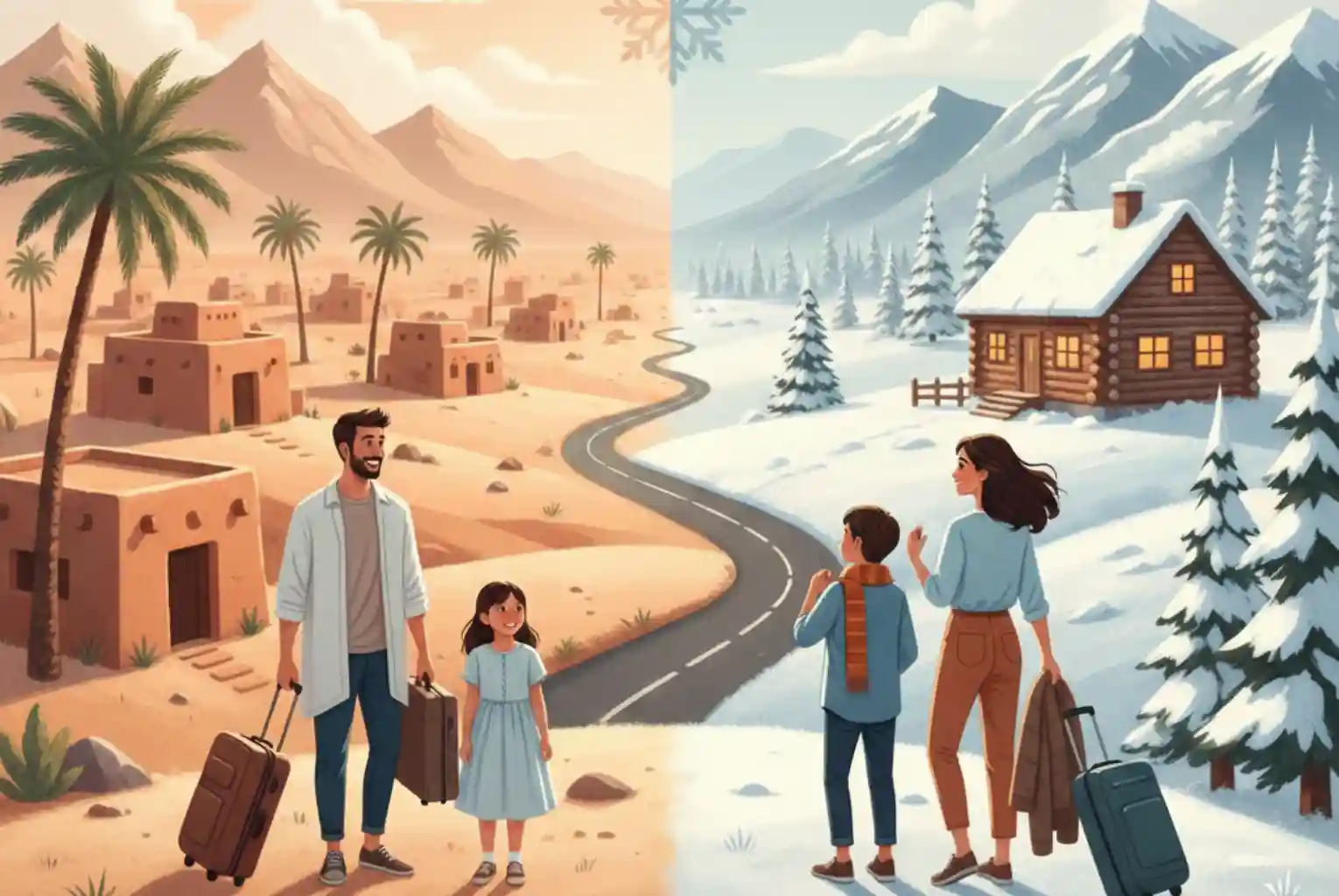
Moving to a different climate represents one of the most significant lifestyle adjustments a family can experience. Whether you’re trading snow boots for sandals or swapping humid summers for desert heat, understanding what lies ahead can transform a potentially stressful transition into an exciting adventure. This comprehensive guide will help your family prepare for the realities of relocating to a new climate and ensure everyone adapts smoothly.
Understanding Your New Climate Zone
Before packing a single box, invest time in thoroughly researching your destination’s weather patterns. Moving climate zones isn’t just about knowing whether you’ll need a heavier coat. Each region has unique characteristics that will affect your daily life in ways you might not anticipate.
Start by examining temperature extremes throughout the year. A city that boasts pleasant spring weather might experience scorching summers or frigid winters. Look beyond average temperatures and investigate record highs and lows. Understanding humidity levels is equally crucial, as 85 degrees in Arizona feels vastly different from 85 degrees in Florida. High humidity can make moderate temperatures feel oppressive, while dry climates may cause unexpected skin and respiratory issues.
Don’t overlook precipitation patterns and storm seasons. Some regions experience year-round rainfall, while others have distinct wet and dry seasons. Coastal areas may face hurricane threats, while inland locations might deal with tornadoes or severe thunderstorms. Knowing these patterns helps you prepare both mentally and practically for what’s coming.
Physical Health Adjustments
Your body needs time to acclimate when relocating to a new climate. This adjustment period varies by individual but typically takes several weeks to a few months. During this time, you may experience fatigue, headaches, or changes in appetite as your system adapts to new temperature and humidity levels.
If you’re moving to a significantly warmer climate, understand that heat adaptation occurs gradually. Your body will eventually produce sweat more efficiently, and your cardiovascular system will adjust, but rushing outdoor activities before acclimatization can lead to heat exhaustion. Conversely, moving to colder climates requires your metabolism to work harder to maintain body temperature, which may increase your caloric needs initially.
Seasonal allergies present another consideration in your family relocation climate adjustment. Different regions have varying pollen seasons and allergen types. Someone who never experienced allergies might develop them in a new location, while others may find relief from their previous triggers. Consult with allergists in your new area and consider starting preventive treatments before peak seasons.
Vitamin D production also changes with latitude and sun exposure. Moving from sunny climates to areas with long, dark winters may require vitamin D supplementation to maintain optimal health and mood stability.
Wardrobe and Clothing Transitions
Your closet will need a serious overhaul when moving to a different climate. Take inventory of your current wardrobe and honestly assess what will remain practical. That collection of heavy wool sweaters won’t serve you well in Southern California, just as your extensive shorts collection has limited use in Alaska.
For moves to hot climates, prioritize lightweight, breathable fabrics like cotton and linen. Invest in quality sun protection clothing, wide-brimmed hats, and multiple pairs of comfortable sandals. Don’t forget that air conditioning can make indoor spaces quite cool, so keep a light cardigan handy.
Cold weather essentials for freezing temperatures extend beyond just a warm coat. You’ll need layering pieces, thermal underwear, insulated boots, quality gloves, and scarves. Consider the specific cold-weather activities available in your new location—will you need ski gear, ice fishing equipment, or snow-hiking boots?
Home and Housing Considerations
Housing requirements vary dramatically across climate zones, affecting both comfort and expenses. Homes in cold climates require robust heating systems, superior insulation, and often features like storm windows and heated garages. In contrast, hot climate homes prioritize cooling efficiency, shade structures, and ventilation.
Before purchasing or renting, investigate the property’s climate-appropriate features. Ask about insulation R-values, HVAC system age and efficiency, and weatherproofing measures. A home that seems perfect in spring might reveal serious shortcomings during summer heat or winter cold.
Energy costs represent a significant consideration in your moving weather considerations. Heating expenses in northern states can dramatically exceed southern cooling costs, though this varies by local utility rates and home efficiency. Request utility bills from previous occupants to understand actual costs rather than relying on estimates.
Vehicle and Transportation Adjustments
Your vehicle faces different challenges across climate zones. Extreme heat deteriorates rubber components, stresses cooling systems, and can cause battery failure. Regular maintenance becomes crucial in desert environments where temperatures routinely exceed 100 degrees.
Cold climates demand different preparations. You’ll need winter tires or all-season tires rated for snow, engine block heaters in extremely cold regions, and winter-grade fluids. Battery capacity decreases in cold weather, so testing and replacing aging batteries before winter prevents frustrating breakdowns.
Build a climate-specific emergency kit for your vehicle. Hot climate kits should include extra water, sunscreen, and cooling towels, while cold climate kits need blankets, non-perishable food, ice scrapers, and sand or cat litter for traction.
Emotional and Mental Preparation
The psychological impact of climate change relocation often catches families off guard. Seasonal Affective Disorder (SAD) affects many people who move to regions with limited winter sunlight. Symptoms include depression, fatigue, and social withdrawal. If you’re moving from a sunny climate to one with gray, overcast winters, discuss prevention strategies with a healthcare provider before relocating.
Children may struggle with climate transitions differently than adults. A child who loved playing outside year-round might feel confined during harsh winters or oppressive summer heat. Help them discover new seasonal activities and maintain their physical activity levels despite weather limitations.
Building new seasonal traditions helps families embrace their new climate rather than resisting it. If you’re moving somewhere with distinct seasons, create traditions around each one—apple picking in autumn, beach days in summer, or cozy winter movie nights. These rituals help everyone find joy in the unique aspects of your new environment.
Financial Planning for Climate Differences
Climate relocation carries financial implications beyond moving costs. Utility expenses can double or triple depending on your origin and destination. Budget conservatively for your first year until you understand actual costs across all seasons.
Insurance needs also shift with climate. Hurricane-prone areas require specific coverage, while regions with harsh winters might need higher liability limits due to slip-and-fall risks. Earthquake, flood, or wildfire insurance becomes necessary in certain locations. Review your policies thoroughly and adjust coverage before moving.
Don’t forget seasonal expense variations. Winter climates require snow removal equipment or services, winter clothing replacements as children grow, and possibly higher food costs if you’re accustomed to year-round local produce. Hot climates might increase water bills for landscape irrigation and pool maintenance.
Making the Transition Successful
Moving to a different climate challenges every family member, but preparation transforms anxiety into anticipation. Start your research early, visit your destination during different seasons if possible, and connect with locals who can share honest insights about climate adaptation.
Remember that adjustment takes time. Give yourself and your family grace during the first year as you navigate unexpected weather challenges and discover what works for your new lifestyle. Keep an open mind, stay flexible, and celebrate the unique opportunities your new climate provides.
With thorough preparation and realistic expectations, your family relocation climate adjustment becomes manageable and even exciting. Each climate zone offers distinct advantages and lifestyle opportunities. Embrace the change, prepare wisely, and look forward to the adventures that await in your new home.