
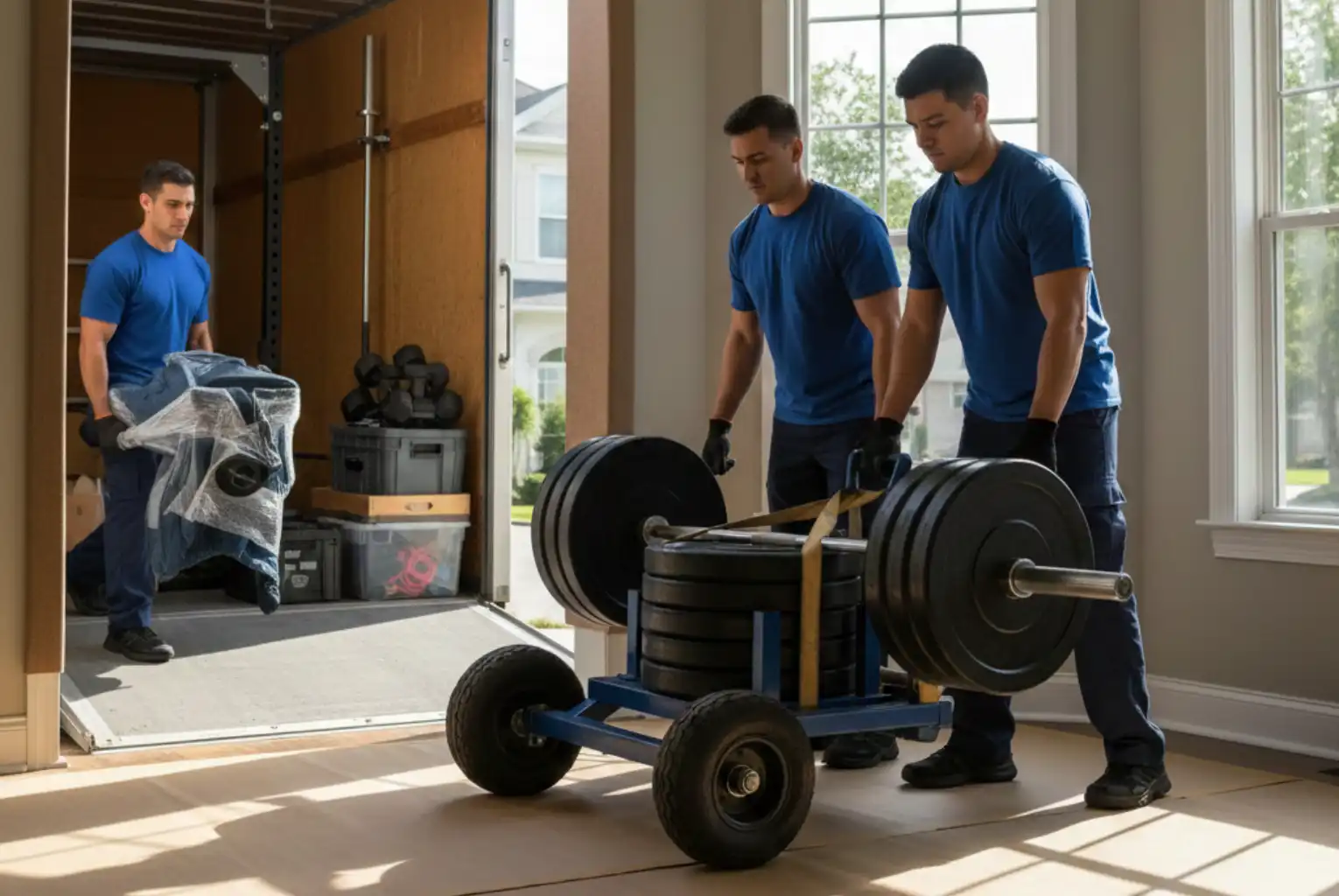
Introduction: The Challenge of Moving Iron and Machines
You’ve spent months, perhaps even years, building your ideal home gym. Every piece of equipment represents an investment in your health and fitness goals. But now you’re facing a new challenge that has nothing to do with your workout routine: you need to move. Whether you’re relocating to a new home or simply rearranging your fitness space, moving gym equipment requires careful planning, the proper techniques, and a healthy respect for both your gear and your property.
Unlike moving furniture, relocating fitness equipment presents unique challenges. These items are often extremely heavy, awkwardly shaped, and surprisingly delicate despite their rugged appearance. A single mistake can result in scratched floors, damaged doorways, broken equipment, or worse—a serious injury. This comprehensive guide will walk you through every step of the process, ensuring your equipment arrives at its destination in perfect condition.
Planning Your Gym Equipment Move
Success starts long before you lift a single weight plate. Proper planning is your foundation for a smooth, damage-free move.
Creating an Equipment Inventory
Begin by cataloguing every piece of equipment you own. Take detailed notes about dimensions, weight, and any special features or attachments. This inventory helps you understand the scope of your project and identify which items require special attention. For expensive or complex machines, locate your original manuals—they often contain valuable disassembly instructions.
Measuring Doorways, Hallways, and Staircases
The most common obstacle when moving heavy gym equipment isn’t the weight—it’s getting through doorways. Measure the width and height of every doorway, hallway, and staircase along your moving route. Don’t forget to account for turns and corners. A treadmill that fits through a doorway might not navigate a tight corner in a hallway. If you’re moving to a new location, measure those spaces too.
Determining What Can (and Should) Be Disassembled
Many larger pieces can and should be taken apart. Power racks can be unbolted, weight machines often have removable seats and pads, and most cardio equipment can be partially disassembled. Evaluate each piece and decide whether disassembly makes sense. Sometimes, keeping something intact is actually safer if it maintains structural integrity.
Essential Tools and Materials for the Job
Having the right equipment makes all the difference between a smooth move and a disaster.
Moving Straps, Dollies, and Furniture Sliders
Moving straps for weights are essential for properly distributing the load and protecting your back. A heavy-duty appliance dolly with straps can handle most large machines. Furniture sliders work wonderfully for moving equipment across smooth floors without scratching. For extremely heavy items, consider a four-wheel furniture dolly that lets you manoeuvre in any direction.
Protective Materials: Blankets, Cardboard, and Floor Runners
Protect gym flooring and home surfaces with heavy-duty moving blankets. Wrap the equipment completely to prevent scratches and dings. Cardboard sheets can protect both your equipment and your walls during tight squeezes. Lay down floor runners or old carpet remnants to create a protected pathway through your home.
The Right Team: When to Call in Professional Movers
Some equipment simply demands professional help. If you’re dealing with commercial-grade machines, extremely heavy items, or don’t have capable helpers, professional movers experienced with fitness equipment are worth every penny. They have specialized equipment and insurance to handle the job safely.
Preparing Your Equipment for Transport
Preparation prevents problems during the actual move.
Cleaning and Inspecting Each Piece
Clean your equipment thoroughly before moving. This prevents transferring dirt and sweat to other items or your new space. More importantly, cleaning allows you to inspect for existing damage, loose bolts, or wear that might worsen during transport. Tighten any loose components and make minor repairs now.
Taking Photos for Reassembly Reference
Before disassembling gym equipment, photograph everything from multiple angles. Capture how cables are routed, where bolts connect, and how parts fit together. These photos become invaluable when you’re staring at a pile of parts in your new space. Label bags of hardware with the equipment name and section they belong to.
Properly Disassembling Complex Machines
Follow manufacturer instructions when taking apart complex equipment. Remove seats, handles, and other protruding parts that could catch on doorways. For cable machines, release tension carefully and secure cables so they don’t snap back. Keep all hardware organized in labeled bags taped to the corresponding equipment piece.
Protecting Your Home During the Move
Your equipment isn’t the only thing that needs protection.
Safeguarding Doorframes and Molding
Protecting doorways when moving gym equipment should be a top priority. Use foam pipe insulation, pool noodles cut lengthwise, or moving blankets secured with painter’s tape to pad doorframes. For particularly tight fits, temporarily remove door trim if possible. The few minutes spent removing and reinstalling molding beats repairing damaged woodwork.
Laying Down Floor Protection
Even equipment you think won’t damage floors can surprise you. Lay down a continuous path of protection from your gym space to the moving vehicle. Heavy-duty cardboard, Masonite panels, or specialized floor protection products prevent scratches, dents, and scuffs on hardwood, tile, or vinyl flooring.
Moving Specific Types of Gym Equipment
Different equipment types require different approaches.
Free Weights: Barbells, Dumbbells, and Plates
Weight plates are deceptively dangerous. Transport barbells and plates in small, manageable loads. Use sturdy plastic bins for plates—never overload them. Keep dumbbells in pairs and secure them so they can’t roll. Olympic bars should be carried by two people, one at each end, and never dragged across floors. Remove plates from bars before moving.
Cardio Machines: Treadmills, Ellipticals, and Bikes
Cardio equipment is bulky and contains delicate electronics. Moving a treadmill without scratching floors requires disconnecting the power, folding if possible, and using a dolly specifically rated for the weight. Secure the belt to prevent it from unrolling. For ellipticals, remove any loose pedal arms and secure moving parts. Stationary bikes are generally more straightforward but still benefit from padding and careful handling.
Weight Machines and Power Racks
Power racks and multi-station machines are among the most challenging items to move. Unbolt them into smaller sections if possible. These items typically require at least three strong people and potentially professional equipment. The weight is often distributed unevenly, making them difficult to balance.
Safe Lifting and Moving Techniques
Proper technique prevents injury and equipment damage.
Proper Body Mechanics to Prevent Injury
Lift with your legs, not your back. Keep loads close to your body. Never twist while carrying heavy items—pivot your feet instead. Take breaks frequently, and never try to be a hero with weight that’s beyond your capability. Most moving injuries happen because someone tried to save time by handling too much at once.
Using Leverage and Mechanical Advantage
Work smarter, not harder. Tilt heavy items onto dollies rather than lifting them completely. Use ramps instead of stairs when possible. Slide equipment on furniture sliders rather than carrying it. A gym equipment dolly can make a 300-pound machine manageable for two people.
Coordinating with Your Moving Team
Communication is crucial when moving heavy equipment without injury. Establish clear signals for stopping, starting, and changing direction. Designate one person as the leader to call movements. Never assume your partner is ready—always confirm before lifting or moving.
Loading and Transporting
Getting equipment into and through the vehicle requires strategy.
Strategic Packing in Your Moving Vehicle
Load heaviest items first and closest to the cab. Distribute weight evenly side-to-side. Place weight plates flat on the floor. Position tall items like power racks against walls for support. Create a stable base layer before stacking lighter items on top.
Securing Equipment to Prevent Shifting
Use ratchet straps to secure large items to anchor points in your vehicle. Fill gaps with moving blankets or other soft materials to prevent shifting during transport. Nothing should be able to slide, tip, or roll during the drive. Protecting equipment from weather and road vibration means covering everything with tarps if using an open trailer.
Common Mistakes to Avoid
Learning from others’ mistakes is cheaper than making your own.
Underestimating Weight and Size
That bench press setup might not seem that heavy until you try moving it. Always overestimate the difficulty and prepare accordingly. Check weight ratings on equipment before attempting to move it with standard dollies or hand trucks.
Skipping the Disassembly Step
Trying to move a treadmill through a standard doorway fully assembled rarely ends well. Take the extra time to properly disassemble equipment. It’s faster than repairing drywall or replacing a damaged machine.
Rushing the Process
Moving gym equipment isn’t a race. Rushing leads to dropped equipment, injuries, and property damage. Give yourself plenty of time, take breaks, and maintain focus throughout the process.
Conclusion: A Successful Move Sets the Stage for Future Gains
Moving your home gym successfully requires patience, planning, and respect for the weight you’re handling. By following these guidelines, you’ll transport gym gear safely to your new location without damaging your equipment, your home, or yourself. The effort you invest in doing it right pays dividends when you’re setting up your new space, and everything arrives in perfect working order.
Remember, the same dedication you bring to your training should apply to protecting your investment. Take your time, use proper techniques, and don’t hesitate to ask for help when needed. Your future workouts will thank you for the care you took in preserving your equipment. Now get moving—your gains are waiting in your new space.