
Introduction
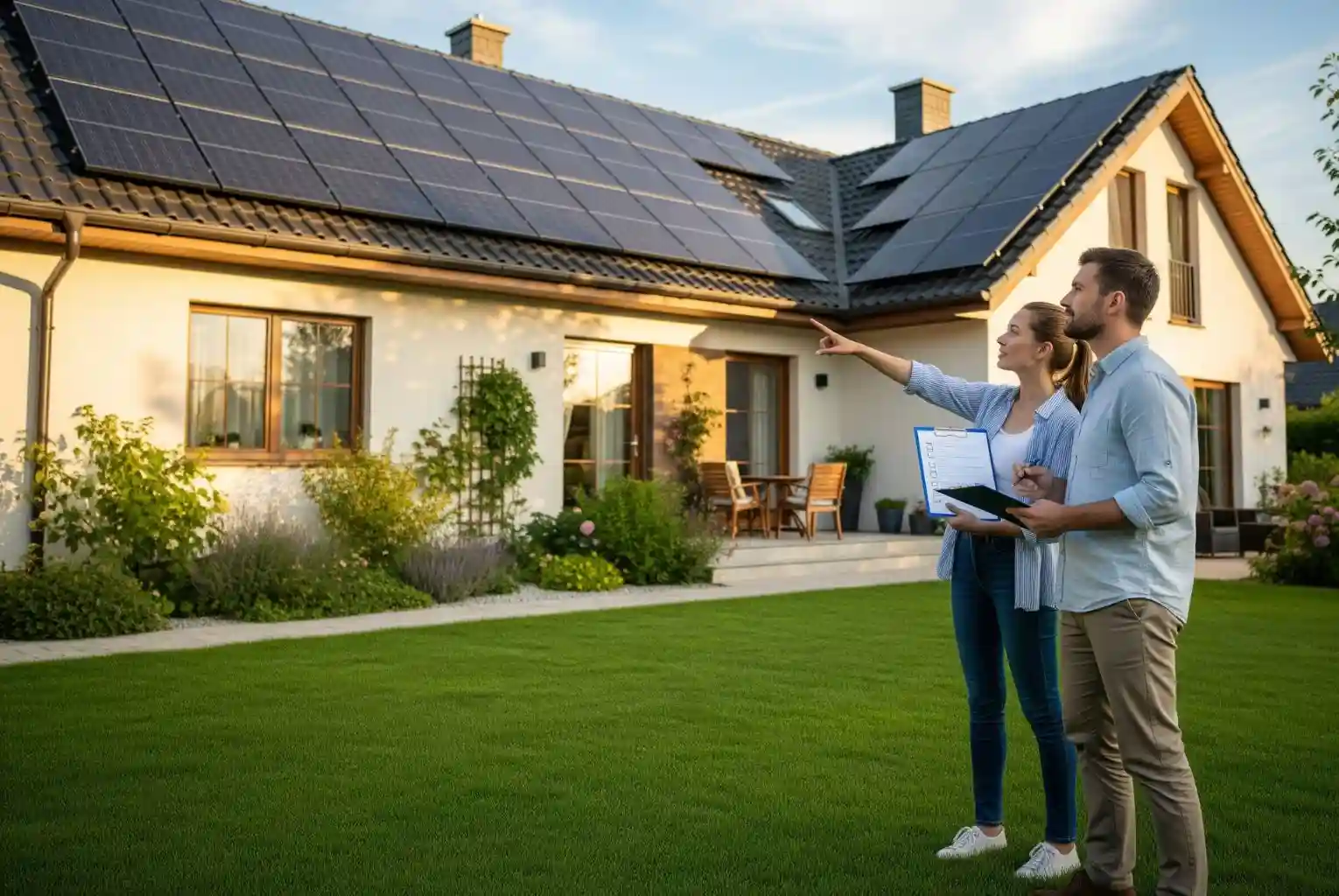
Moving into a home with solar panels can be an exciting step toward sustainable living and reduced energy costs. However, as a new homeowner, understanding how to properly maintain and optimize your solar energy system is crucial for maximizing its benefits. This comprehensive home solar energy guide will walk you through everything you need to know about caring for your solar-powered home, from basic maintenance to efficiency optimization strategies.
Understanding the Basics of Solar Panel Systems
How Residential Solar Panels Work
Before diving into maintenance and efficiency tips, it’s essential to understand how your solar panel system generates electricity. Solar panels, also known as photovoltaic (PV) panels, convert sunlight directly into electricity through semiconductor materials, typically silicon cells. When sunlight hits these cells, it creates an electrical current that flows through the system.
The electricity generated by solar panels is direct current (DC), but your home uses alternating current (AC). An inverter converts the DC electricity into AC electricity that can power your appliances and lighting. Any excess electricity generated during peak sunlight hours can be fed back into the electrical grid, often earning you credits through net metering programs.
Understanding this basic process helps new homeowners with solar panels appreciate why factors like sunlight exposure, panel cleanliness, and system monitoring are so important for optimal performance.
Key Components of a Home Solar System
A typical residential solar energy system consists of several key components that work together to provide clean electricity for your home. Solar panels are the most visible component, but they’re just one part of a larger system that includes inverters, mounting hardware, electrical wiring, and monitoring equipment.
The inverter is often considered the “brain” of the system, converting DC electricity to AC and providing performance data. Some systems use string inverters that handle multiple panels, while others employ microinverters attached to individual panels for better performance monitoring and optimization.
Your system may also include a production meter that tracks how much electricity your panels generate, and a bidirectional meter that measures both the electricity you consume from the grid and any excess electricity you send back. Battery storage systems are becoming increasingly popular, allowing homeowners to store excess solar energy for use during nighttime hours or power outages.
What New Homeowners Should Know About Solar Contracts & Warranties
When moving into a home with solar panels, it’s crucial to understand the existing solar contracts and warranties. Solar panels typically come with two types of warranties: a product warranty covering manufacturing defects (usually 10-12 years) and a performance warranty guaranteeing a certain level of electricity production over time (typically 25 years).
Review all documentation carefully, including the original installation contract, equipment warranties, and any lease or power purchase agreements (PPAs). If the previous homeowner leased the system, you may need to assume the lease agreement or negotiate a transfer with the solar company. For purchased systems, ensure that warranties are properly transferred to your name.
Contact the original installer or solar company to update ownership records and establish a maintenance relationship. This step is essential for maintaining warranty coverage and ensuring you have access to professional support when needed.
Solar Panel Maintenance Tips for New Homeowners
Cleaning and Inspecting Your Panels
Regular cleaning is one of the most important solar panel maintenance tips for maintaining system efficiency. Dust, leaves, bird droppings, and other debris can significantly reduce your panels’ ability to generate electricity. In most climates, rain provides adequate cleaning, but in dusty or arid regions, manual cleaning may be necessary several times per year.
When cleaning panels, use soft brushes, squeegees, and plain water to avoid scratching the glass surface. Avoid harsh chemicals or abrasive materials that could damage the panels. Early morning or evening cleaning is recommended to prevent rapid water evaporation and potential thermal shock to hot panels.
Visual inspections should be conducted monthly to check for obvious damage, loose connections, or debris accumulation. Look for cracks in the glass, corroded mounting hardware, or any signs of pest intrusion around wiring. While minor cleaning can be done safely by homeowners, any repairs or detailed inspections should be left to qualified professionals.
Monitoring System Performance Regularly
Effective solar power upkeep requires consistent performance monitoring to identify potential issues before they become major problems. Most modern solar systems include monitoring software that tracks daily, monthly, and annual electricity production. Familiarize yourself with your system’s normal output patterns and watch for significant decreases in production.
Many monitoring systems provide smartphone apps that allow you to check performance remotely and receive alerts about system issues. Pay attention to individual panel performance if your system includes panel-level monitoring, as this can help identify specific panels that may need attention.
Keep records of your system’s performance alongside your electricity bills to track savings and identify trends. A sudden drop in production could indicate equipment problems, shading issues, or the need for cleaning. Regular monitoring helps ensure you’re getting the maximum return on your solar investment.
Scheduling Professional Maintenance and Inspections
While homeowners can handle basic cleaning and monitoring, professional maintenance is essential for long-term system health. Schedule annual inspections with qualified solar technicians who can perform comprehensive system checks, including electrical connections, inverter performance, and structural integrity of mounting systems.
Professional maintenance typically includes detailed safety inspections, performance testing, and cleaning of electrical components that shouldn’t be handled by homeowners. Technicians can also identify potential issues like micro-cracks in panels, degraded wiring, or inverter problems that might not be obvious during casual inspections.
Maintain relationships with certified solar installers in your area and keep contact information readily available for emergency repairs. Regular professional maintenance not only ensures optimal performance but also helps maintain warranty coverage for your solar equipment.
Maximizing Solar Energy Efficiency in Your New Home
Positioning and Sunlight Exposure
Solar panel efficiency considerations begin with understanding your system’s positioning and potential shading issues. While you can’t change your panels’ orientation after installation, you can optimize the conditions around them. Trim trees and vegetation that might cast shadows on your panels, especially during peak sunlight hours between 10 AM and 3 PM.
Even partial shading can significantly impact system performance, as shaded cells can reduce the output of entire panel strings. Consider seasonal changes in sun angle and tree growth when evaluating shading issues. If significant shading problems exist, consult with solar professionals about potential solutions like panel relocations or tree removal.
Monitor your system’s performance throughout different seasons to understand how sun angle changes affect electricity production. This knowledge helps you set realistic expectations for seasonal variations in energy generation and plan accordingly for higher winter electricity bills.
Energy-Saving Habits That Boost Efficiency
Maximizing residential solar energy efficiency involves aligning your energy consumption patterns with solar production peaks. Use high-energy appliances like washing machines, dishwashers, and electric vehicle chargers during daylight hours when your panels are producing the most electricity.
Consider time-of-use electricity rates that charge different amounts for electricity depending on when you use it. By shifting energy-intensive activities to coincide with peak solar production, you can maximize your use of free solar electricity and minimize reliance on grid power during expensive peak hours.
Implement general energy efficiency measures throughout your home, such as LED lighting, efficient appliances, and proper insulation. Reducing overall energy consumption allows your solar system to cover a larger percentage of your electricity needs, potentially eliminating your electric bill entirely during sunny months.
Integrating Solar with Smart Home Technology
Smart home technology can significantly enhance your solar system’s effectiveness by automatically managing energy consumption based on solar production. Smart thermostats can pre-cool or pre-heat your home during peak solar production hours, reducing the need for climate control when solar output is low.
Smart water heaters can be programmed to heat water when solar production is high, essentially storing solar energy as hot water for later use. Battery storage systems with smart controllers can automatically store excess solar energy and discharge it during peak rate periods, maximizing your savings.
Energy monitoring systems provide real-time data about both solar production and home energy consumption, allowing you to make informed decisions about when to run appliances and how to optimize your energy usage patterns.
Financial Considerations of Owning a Home With Solar Panels
Understanding Energy Bill Savings
One of the primary benefits of moving into a home with solar panels is the potential for significant electricity bill savings. However, understanding how these savings work requires familiarity with net metering policies, rate structures, and seasonal production variations in your area.
Net metering allows you to receive credits for excess electricity your panels send to the grid during sunny periods. These credits can offset electricity you draw from the grid during nighttime or cloudy periods. Different utilities have varying net metering policies, so understand your specific arrangement and how credits are calculated and applied.
Track your electricity bills over a full year to understand seasonal patterns and total savings. Some months may show negative bills (credits), while others may show charges, depending on your system size and energy consumption patterns. Annual tracking provides the most accurate picture of your solar savings.
Tax Incentives, Credits, and Rebates
Solar homeowners may be eligible for various tax incentives and rebates that can provide significant financial benefits. The federal solar Investment Tax Credit (ITC) allows homeowners to deduct a percentage of solar installation costs from their federal taxes, though this benefit may not apply to homes with pre-existing solar systems.
Research state and local incentives that might be available to solar homeowners, including property tax exemptions, sales tax exemptions, and utility rebates for solar-powered homes. Some programs provide ongoing benefits for solar electricity production, while others offer one-time credits or exemptions.
Consult with tax professionals familiar with solar incentives to ensure you’re maximizing available benefits. Keep detailed records of all solar-related expenses, maintenance costs, and energy production data that might be relevant for tax purposes.
Future Value When Selling Your Home
Solar panels can significantly increase your home’s resale value, with studies showing that solar homes typically sell for premium prices compared to similar non-solar homes. However, the added value depends on factors like system age, condition, performance history, and local solar adoption rates.
Maintain detailed records of system performance, maintenance history, and energy savings to demonstrate value to future buyers. Well-maintained systems with strong performance records are more attractive to potential purchasers than systems with unknown maintenance histories.
Consider how remaining warranty periods and system age might affect future resale value. Newer systems with longer remaining warranties typically add more value than older systems approaching the end of their useful life.
Common Challenges and How to Overcome Them
Dealing with Weather and Seasonal Efficiency Changes
Solar panel efficiency considerations must account for seasonal and weather-related performance variations. Solar panels actually perform better in cooler temperatures, so summer heat can reduce efficiency even though sunlight hours are longer. Understanding these patterns helps set realistic expectations for system performance.
Snow accumulation can temporarily block solar production, but panels’ dark surfaces and tilt angles usually allow snow to slide off naturally. Gentle snow removal with soft brushes is acceptable but avoid using sharp tools or harsh chemicals that could damage panels.
Severe weather events like hailstorms, high winds, or falling debris can potentially damage solar equipment. Most panels are designed to withstand typical weather conditions but inspect your system after severe weather events and contact professionals if you notice any damage.
Troubleshooting Performance Issues
When solar system performance drops unexpectedly, systematic troubleshooting can help identify the cause. Start by checking monitoring systems for error messages or alerts, then visually inspect panels for obvious problems like debris, shading, or physical damage.
Inverter displays or monitoring apps often provide diagnostic information that can help identify specific issues. Common problems include inverter faults, individual panel failures, or electrical connection issues. While homeowners can identify some problems, most troubleshooting and repairs require professional expertise.
Keep detailed performance records that can help professionals diagnose intermittent problems or gradual performance degradation. Sudden performance drops usually indicate specific equipment failures, while gradual decreases might suggest normal aging or developing maintenance issues.
Knowing When It’s Time to Upgrade or Replace Panels
Solar panels typically maintain good performance for 25-30 years, but inverters may need replacement after 10-15 years. Monitor your system’s performance trends and maintenance costs to determine when upgrades or replacements become economically justified.
Technology improvements in solar panels and inverters can make upgrades attractive even before equipment fails. Newer panels are often more efficient and may allow you to generate more electricity from the same roof space. However, consider the costs and benefits carefully before upgrading functioning equipment.
Consult with solar professionals about upgrade options and timing, especially if your current system isn’t meeting your electricity needs or if maintenance costs are becoming excessive. Sometimes partial upgrades, like inverter replacement, can significantly improve system performance without complete panel replacement.
Final Thoughts: Making the Most of Your Solar-Powered Home
Moving into a home with solar panels represents an opportunity to embrace sustainable living while enjoying significant energy cost savings. Success with solar power depends on understanding your system, maintaining equipment properly, and optimizing your energy usage patterns to maximize solar benefits.
Regular maintenance, performance monitoring, and professional inspections ensure your solar investment continues providing value for decades. By following the solar panel maintenance tips and efficiency strategies outlined in this home solar energy guide, new homeowners with solar panels can confidently manage their solar-powered homes.
Remember that solar technology continues evolving, with improvements in panel efficiency, storage options, and smart home integration creating new opportunities for optimization. Stay informed about developments in solar technology and consider how new innovations might benefit your specific situation.
Your solar-powered home represents both an environmental commitment and a financial investment. With proper care and optimization, your solar system will provide clean, cost-effective electricity for many years, contributing to both your household budget and environmental sustainability goals. And if you ever decide to relocate, coordinating with reliable packers and movers will help ensure your transition is smooth while keeping your solar-powered lifestyle uninterrupted.