
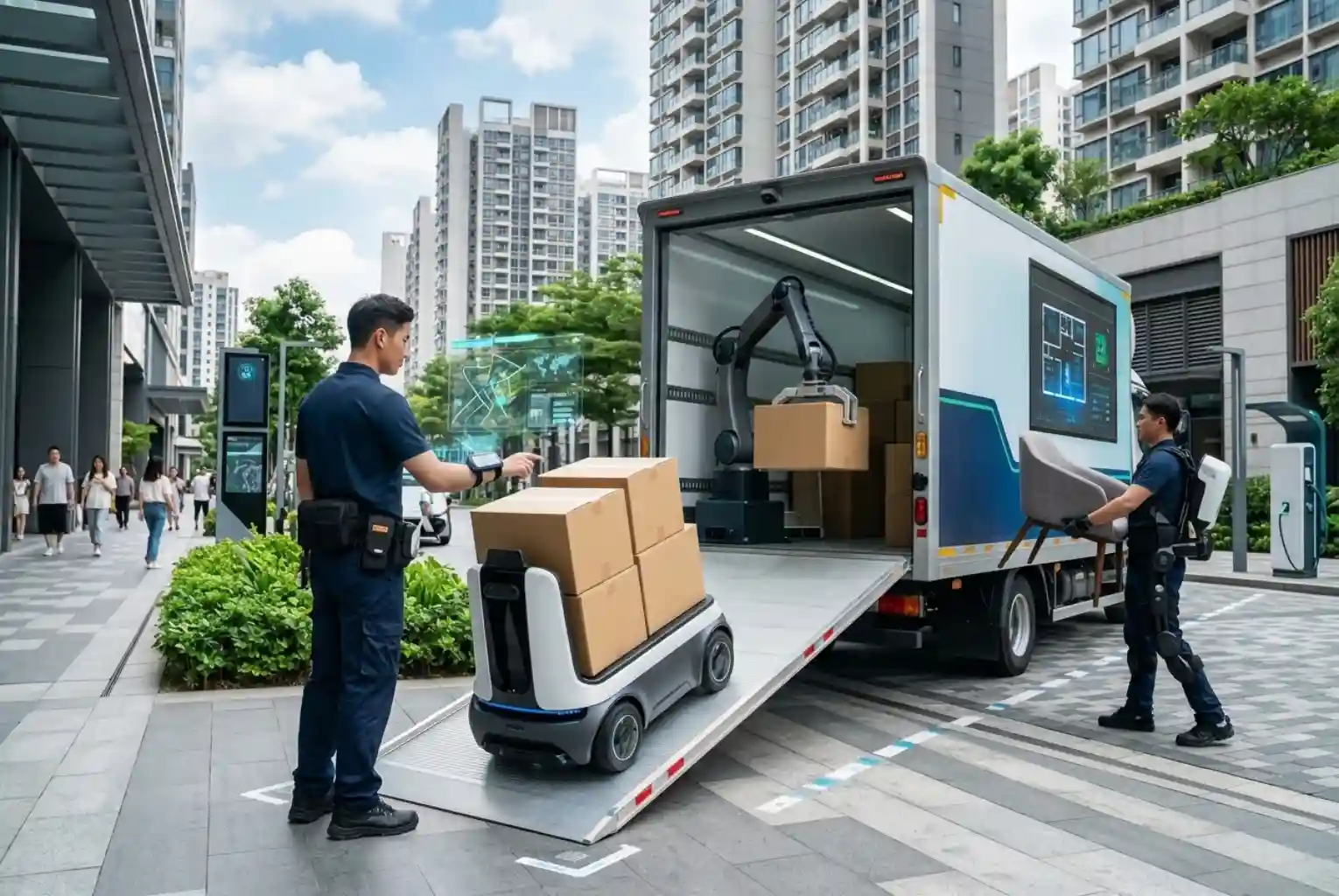
Moving has never been easy. Between packing boxes, hiring movers, coordinating timelines, and settling into a new space, the entire process can feel overwhelming. But in 2026, that experience looks very different. Thanks to rapid advancements in moving technology trends, what once took weeks of manual effort can now be managed from a smartphone in minutes. The moving industry innovation happening right now is not just impressive — it is genuinely changing lives.
The Digital Transformation of the Moving Industry
From Traditional Methods to Tech-Driven Solutions
Not long ago, moving meant calling multiple companies for quotes, waiting for someone to come assess your home, and hoping everything arrived in one piece. Today, digital moving solutions have eliminated most of that friction. People can now get accurate quotes, schedule services, and track their belongings — all without a single phone call.
Why 2026 Is a Turning Point for Moving Technology
The convergence of artificial intelligence, augmented reality, and smart logistics has made 2026 a landmark year for the tech-driven relocation industry. Consumers now expect the same digital convenience from their movers as they get from food delivery or ride-sharing services — and companies are delivering.
AI and Automation: Smarter Moves Start Here
AI-Powered Moving Cost Estimators and Quotes
One of the biggest pain points in moving has always been cost uncertainty. AI-powered moving platforms now analyze your inventory, distance, home size, and time of year to produce highly accurate quotes in seconds. These tools learn from thousands of past moves to get smarter with every estimate, removing much of the guesswork that used to frustrate customers.
Automated Scheduling and Route Optimization
Beyond quotes, AI handles scheduling and logistics too. moving company software can now automatically assign crews, plan the most efficient routes, and adjust schedules in real time based on traffic, weather, or last-minute changes. This means fewer delays, lower fuel costs, and a smoother experience for everyone involved.
Chatbots and Virtual Moving Assistants
AI-powered chatbots now serve as around-the-clock moving assistants. They answer questions, send reminders, help customers prepare room-by-room packing lists, and even flag potential issues before moving day. For many customers, the chatbot has become the first point of contact — and it handles most concerns without any human involvement.
Virtual and Augmented Reality in the Moving Experience
Virtual Home Surveys — No More In-Person Visits
Perhaps no single technology has been more disruptive than virtual home surveys. Instead of scheduling an in-person assessment, customers now walk through their home via a video call or a self-guided app. The system scans rooms, identifies items to be moved, and builds a detailed inventory automatically. It saves time for both the customer and the moving company.
AR Tools for Pre-Planning Furniture Placement
AR home planning tools are now helping people visualize their new space before they arrive. Apps let users place virtual furniture into a 3D model of their new home, so they can decide exactly where everything goes before a single box is unpacked. This reduces the back-and-forth on moving day and cuts down significantly on wasted effort.
3D Home Walkthroughs Before You Move In
Combined with virtual tours offered by real estate platforms, renters and buyers can now get a complete sense of their new space long before they physically arrive. This helps them plan their move with far greater precision and confidence.
Moving Apps and Online Platforms Changing the Game
All-in-One Moving Management Apps
Today’s moving management apps serve as a central hub for the entire relocation process. From generating to-do lists and tracking tasks to storing important documents and communicating with movers, these apps keep everything organized in one place. Many even integrate with utility providers so users can set up electricity, internet, and water service without leaving the app.
Comparing Moving Companies Online in Seconds
Online moving platforms have made it incredibly easy to compare services, prices, and reviews. Customers no longer need to call five different companies — they can view side-by-side comparisons, read verified reviews, and book a mover in under ten minutes. Transparency has increased dramatically, which has also pushed moving companies to raise their standards.
Digital Checklists and Timeline Tools
Smart checklists are another underrated innovation. These tools adapt to a user’s specific move, sending reminders eight weeks out to start decluttering, six weeks out to book movers, two weeks out to begin packing, and so on. They reduce the mental load of moving by breaking it down into manageable steps.
Real-Time GPS Tracking and Smart Logistics
Live Shipment Tracking for Peace of Mind
One of the most anxiety-inducing parts of moving is not knowing where your belongings are. GPS moving tracking has largely solved this problem. Customers can now follow their truck in real time on a map, receive notifications when the vehicle is 30 minutes away, and get instant alerts if there are any delays. It brings the same transparency as package delivery to the entire moving process.
IoT-Enabled Inventory Management
The IoT in moving industry is becoming a real force. Smart tags and scanners attached to boxes and furniture allow movers and customers to track every single item throughout the journey. If something is left behind or misplaced, the system flags it immediately. This level of accountability was unimaginable just a few years ago.
Smart Trucks and Fleet Technology
Modern moving trucks are now equipped with sensors, dashcams, and telematics systems that monitor driving behavior, fuel efficiency, and cargo conditions. This data helps moving companies improve safety, reduce costs, and ensure fragile items are handled with care throughout the journey.
Eco-Friendly and Sustainable Moving Through Tech
Sustainability is a growing priority in the moving industry. Route optimization for lower carbon footprint is now standard in many moving platforms, helping companies reduce unnecessary mileage and emissions. Paperless moving has also taken hold — digital contracts, e-signatures, and cloud-stored documentation have replaced the mountains of paperwork that used to accompany every move. Some platforms even help customers digitally audit their belongings beforehand, reducing the number of items that need to be transported in the first place.
The Future of Moving: What’s Next After 2026?
Moving Robots and Autonomous Vehicles
The next frontier is physical automation. Moving robots capable of lifting, carrying, and loading furniture are already in early deployment at some large logistics firms. Autonomous trucks are being tested for long-distance relocations. While full adoption is still a few years out, the direction is clear: human labor in moving will increasingly be assisted — and in some cases replaced — by machines.
Blockchain for Secure Moving Contracts
Blockchain technology is beginning to make its way into moving contracts and payments. Immutable records of agreements, automatic payment releases upon delivery confirmation, and tamper-proof service logs are just some of the ways blockchain could bring greater trust and security to customer-mover relationships.
Hyper-Personalized Moving Experiences with Big Data
As platforms accumulate more data, they are getting better at personalizing the moving experience. From recommending the right size truck to predicting the best moving day based on traffic patterns and weather, moving industry innovation driven by big data is making every move feel tailor-made.
Conclusion: Embracing Technology for a Stress-Free Move
The days of chaotic, stressful moves are not entirely behind us — but technology in moving process 2026 has made enormous strides in reducing the friction at every stage. From AI-powered moving cost estimators and virtual home surveys to real-time tracking and sustainable logistics, the tools available today are smarter, faster, and more user-friendly than ever before.
Whether you are a homeowner planning a cross-country relocation or a renter switching apartments across town, embracing these technologies can make your next move significantly less stressful. The moving industry has entered a new era — and the best is still ahead.