
Introduction
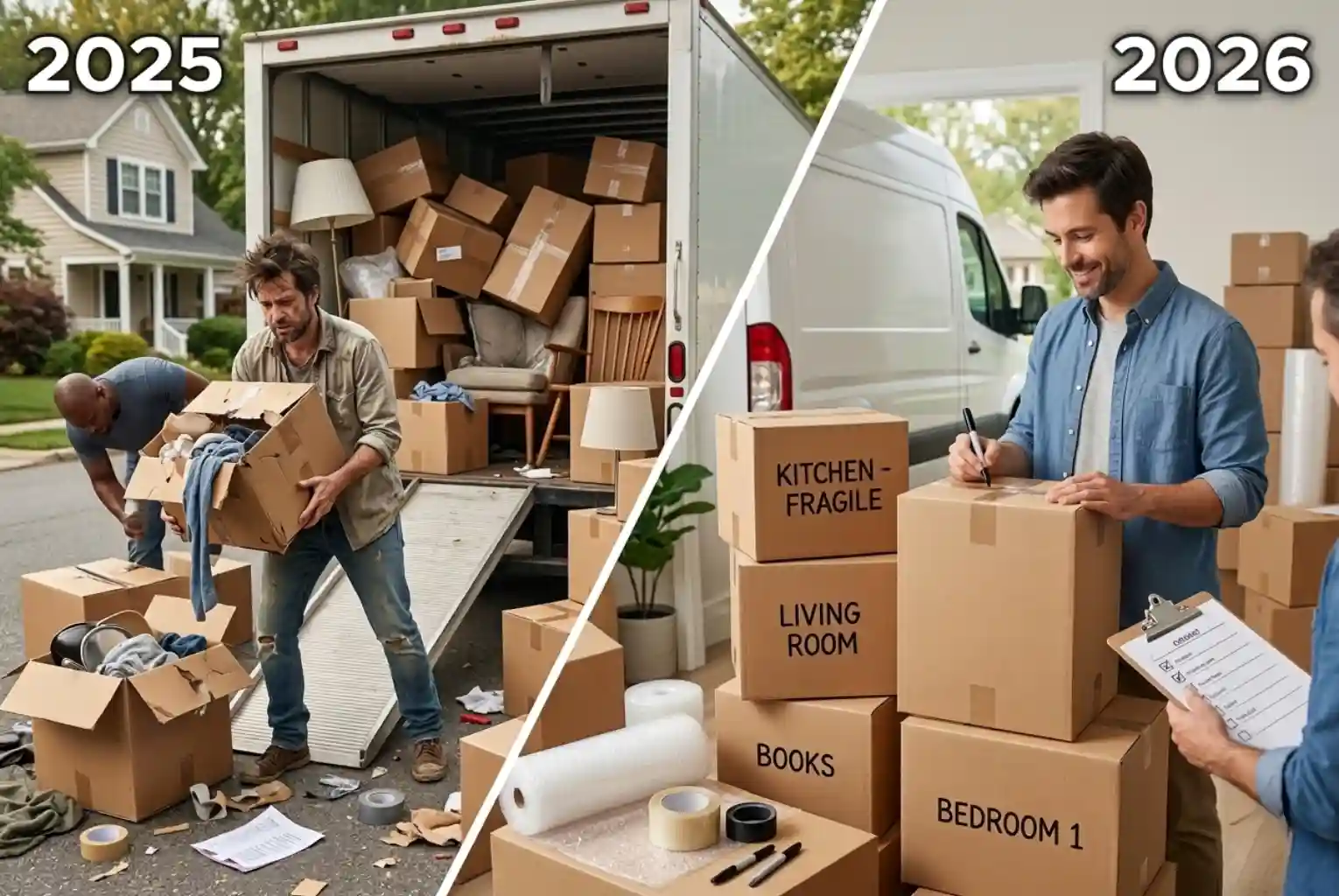
Moving is never easy. Between the packing, the logistics, the paperwork, and the sheer emotional weight of leaving a familiar space, even the most organized people can find themselves overwhelmed. And in 2025, with rising costs and increasingly complex rental and real estate markets, more people than ever made costly errors during their moves, errors that could have been avoided with the right preparation.
If you’re planning a move in 2026, this guide is your head start. Below, we break down the most common moving mistakes people made in 2025 and, more importantly, exactly how you can sidestep every single one of them.
Why 2025 Was a Tough Year for Movers
Inflation, tight housing inventory, and a surge in cross-city relocations made 2025 one of the most stressful years on record for movers. Many people rushed their moves due to lease expirations or job relocations, which left little room for careful planning. The result? Broken furniture, surprise fees, missed deadlines, and in some cases, serious financial setbacks.
The good news is that most of these problems are preventable. Here’s what went wrong, and how to make 2026 your smoothest move yet.
Mistake #1 — Not Planning Early Enough
This was hands-down the most widespread of all moving mistakes to avoid in 2025. People consistently underestimated how much time a proper move requires, often scrambling to book movers just days before their move date.
The Ideal Moving Timeline for 2026
A well-executed move starts at least 8 weeks in advance. Here’s a simplified breakdown:
- 8 weeks out: Begin decluttering, researching moving companies, and gathering packing supplies.
- 6 weeks out: Book your movers, notify your landlord or real estate agent, and start packing non-essentials.
- 4 weeks out: Update your address with the post office, banks, and subscriptions.
- 2 weeks out: Confirm all bookings, finish packing, and prepare an essentials bag.
- Moving day: Execute your game plan with assigned roles and a clear schedule.
Starting early doesn’t just reduce stress, it saves money. Booking movers last-minute almost always means paying a premium.
Mistake #2 — Choosing the Wrong Moving Company
In 2025, complaints about fraudulent or unprofessional movers spiked significantly. From hidden fees to damaged belongings, hiring a moving company without doing proper research was one of the costliest moving day mistakes people made.
Red Flags to Watch Out for in 2026
Before handing over your deposit, be alert to these warning signs:
- No physical address or verifiable license
- Unusually low quotes that seem too good to be true
- Pressure to sign quickly without reviewing the contract
- No clear policy on damages or liability
- Poor or fake-looking online reviews
How to Vet a Moving Company the Right Way
Always check a company’s credentials through the FMCSA (Federal Motor Carrier Safety Administration) for long-distance moving companies. For local movers, look up reviews on Google, Yelp, and the Better Business Bureau. Ask for at least three written quotes and compare them carefully, not just the price, but what’s included.
Mistake #3 — Underestimating the Cost of Moving
Budgeting too low was another extremely common pattern in 2025. Many people planned for the obvious costs the moving truck, packing tape, and got blindsided by everything else.
Hidden Fees Most Movers Don’t Tell You About
Watch out for these often-overlooked expenses:
- Fuel surcharges and toll fees
- Stair or elevator fees for high-rise buildings
- Long carry charges if the truck can’t park close to your door
- Packing material costs if the company provides boxes
- Storage fees if your new place isn’t ready on time
How to Build a Realistic Moving Budget
A solid moving budget should include a buffer of at least 15–20% above your estimated costs. Factor in meals on moving day, hotel stays if it’s a long-distance move, utility setup fees, and any immediate purchases for your new home. Being financially prepared is one of the most practical moving tips for 2026 you can take to heart.
Mistake #4 — Poor Packing Habits
Packing seems straightforward until boxes start falling apart and your grandmother’s China shows up in pieces. Packing mistakes when moving were responsible for a significant portion of damaged-item claims in 2025.
Packing Mistakes That Waste Time and Space
- Using boxes that are too large and overfilling them
- Not labelling boxes with contents AND destination room
- Mixing items from different rooms in one box
- Wrapping fragile items loosely or with insufficient padding
- Packing important documents with general household items
Professional Packing Tips That Actually Work
Use small boxes for heavy items like books, and large boxes for light items like pillows and bedding. Invest in quality packing tape — cheap tape fails under pressure. Wrap fragile items individually in bubble wrap or packing paper and fill all empty box space with padding to prevent shifting. Label every box on the side, not the top, so you can read it when boxes are stacked.
Mistake #5 — Ignoring the Decluttering Step
One of the most underrated common mistakes when moving is packing and hauling things you no longer need. In 2025, many movers paid extra to transport items they ended up throwing away within weeks of arriving at their new home.
How Decluttering Can Save You Hundreds on Moving Costs
Moving companies often charge by weight or volume. The less you move, the less you pay. A thorough declutter before packing can meaningfully reduce your quote. Sell usable items on Facebook Marketplace or Offer Up, donate to local shelters, or host a garage sale. Not only does this lighten your load, it puts cash back in your pocket before your move even begins.
Mistake #6 — Failing to Update Your Address and Records
Forgetting to update your address sounds minor, but the cascading consequences missed bills, lost packages, delayed tax documents can cause headaches for months.
The Full List of Who You Need to Notify When Moving
Make sure to update your address with:
- The USPS (set up mail forwarding immediately)
- Your bank and credit card providers
- The IRS and state tax authority
- Your employer’s HR department
- Insurance providers (health, auto, home/renters)
- Subscription services and online retailers
- Your doctor, dentist, and other healthcare providers
- The DMV (most states require this within 30 days)
Setting up mail forwarding through USPS buys you some time, but it’s not a permanent fix. Treat it as a safety net, not a substitute for updating your records properly.
Mistake #7 — Skipping Moving Insurance
This is the moving mistake that people only truly regret after the fact. In 2025, countless movers discovered too late that standard carrier liability often just $0.60 per pound covers almost nothing when a valuable item is damaged.
What Moving Insurance Actually Covers
There are two main options:
- Released Value Protection: Free but minimal covers items at roughly $0.60 per pound. A 10-pound laptop worth $1,200 would be compensated just $6.
- Full Value Protection: The mover is liable for the full replacement value of damaged or lost items. This is well worth the added cost for anyone with valuable belongings.
You can also purchase third-party moving insurance through providers like Baker International or Falvey Shippers Association for additional peace of mind. Given how little it costs relative to what it protects, this is one of the easiest moving tips for 2026 to act on.
Mistake #8 — Underestimating the Emotional Side of Moving
For all the focus on logistics, the emotional dimension of moving is frequently overlooked, and it affects the entire household. Moving stress is real, clinically recognized, and something that deserves a plan just like packing or budgeting does.
How to Make Your New Place Feel Like Home Faster
- Unpack your bedroom and kitchen first; comfort and routine help stabilize your mood.
- Keep familiar objects visible and accessible right away.
- Explore your new neighbourhood on foot within the first few days.
- For families, let kids personalize their space early to help them feel ownership.
- Give yourself grace, feeling unsettled in a new home is completely normal for the first few weeks.
Make 2026 Your Smoothest Move Yet
Every one of the moving mistakes listed above shares a common root cause: a lack of preparation. Whether it’s booking movers too late, skipping insurance, or underestimating costs, the fix almost always comes down to planning ahead with intention.
Use this post as your starting framework. Build your timeline, vet your movers carefully, set a realistic budget, and don’t skip the declutter. Most importantly, remember that a successful move isn’t just about getting your stuff from Point A to Point B, it’s about setting yourself up for a strong, stress-free start in your new home.
2026 can be the year you get it right. Start planning today.